Shopping Cart
There are no more items in your cart

























































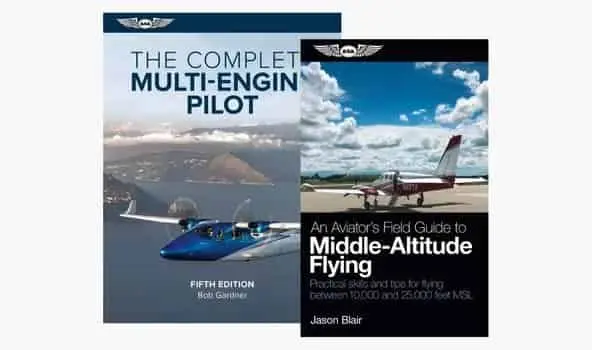




































Many pilots go through their aviation lives without truly knowing what their airplanes can do. FAIR-WEATHER FLYING, now in a second revised edition, challenges you to venture out to get more from your airplane and the time you spend in the air. Author Richard Taylor shows VFR pilots and students how to tackle progressively more demanding situations, covering key topics such as turbulence, density altitude, night flying, and landing techniques. It's a collection of insights from an experienced pilot on how to make the most of your flying experience.
"FAIR-WEATHER FLYING" by Richard L. Taylor, in its second revised edition, is a call to action for all pilots who wish to go beyond routine operations and unlock the true potential of their aircraft and their own flying skills. This book is a valuable addition to any aviator's library who seeks to grow and improve.
Richard Taylor challenges pilots to venture outside the "narrow channels" of their training days. He proposes a methodology of "biting off chewable chunks of progressively more demanding situations," which involves embracing:
This progressive approach will help you expand your comfort zone and develop greater proficiency and confidence in a variety of flight conditions.
The book is a series of "short courses" on a wide variety of aviation topics, of interest to all pilots who want to improve their flying skills and enjoyment of aviation. Taylor covers these subjects with his own brand of insight and experience. Each chapter of this valuable manual guides you through potential flying problems and examples of flight situations that include:
FAIR-WEATHER FLYING is more than just a manual; it's a collection of insightful ideas from an experienced pilot on how to get more out of your airplane and the time you spend strapped into the pilot's seat. It's an encouragement to become a more well-rounded and competent pilot.
The foreword and illustrations are not mentioned in the information provided. Available information indicates:
Is this book suitable for beginner or only experienced pilots?
It is suitable for pilots of all levels. Beginners can learn to safely expand their skills, and experienced pilots will find valuable insights and reminders to enhance their mastery.
Does it only focus on flying in fair weather?
Paradoxically, the title suggests "fair weather," but the book precisely addresses how to extend skills beyond ideal conditions, preparing the pilot to handle more challenging situations with confidence and proficiency.
Develop greater piloting mastery. Explore more resources in our Flight Instructors (FI) section.


Doubts? Open a Chat